Avoid Delays: Common Access Problems at St Katharine Docks
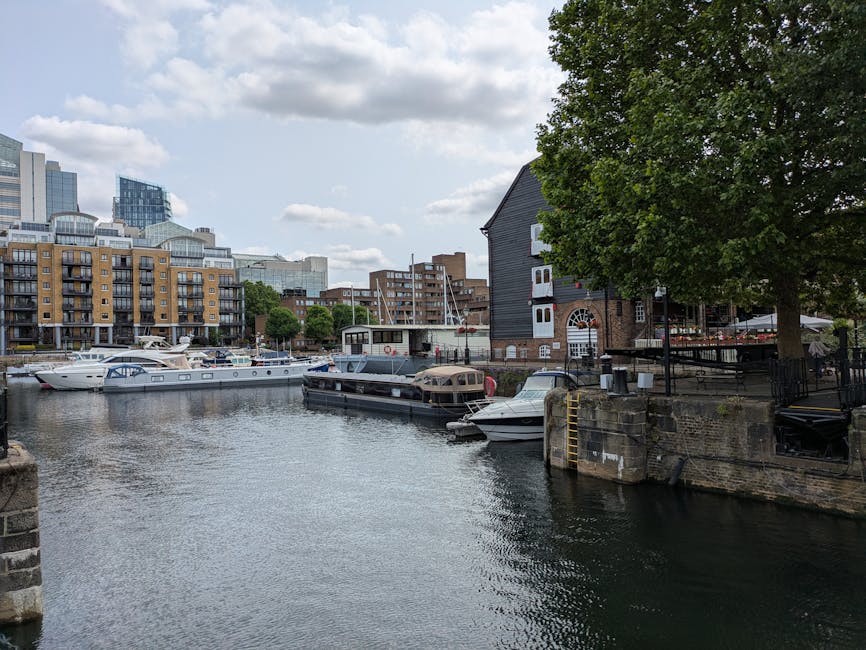
St Katharine Docks looks straightforward on a map, but anyone who has tried to move furniture, deliver appliances, or organise a van arrival there knows the reality can be a bit more fiddly. Tight access points, busy pedestrian areas, parking uncertainty, and building-specific rules can all add time to a job. If you are planning a move near the docks, understanding Avoid Delays: Common Access Problems at St Katharine Docks is the difference between a calm, efficient day and a stressful one spent waiting kerbside.
This guide explains the most common access problems, why they happen, how to plan around them, and what good preparation actually looks like in practice. We will keep it grounded, local, and useful. No fluff. Just the sort of detail that helps you avoid that awkward moment when a crew arrives, the lift is booked, and the van is stuck in the wrong place. Annoying, yes. Avoidable too.
Why Avoid Delays at St Katharine Docks Matters
At St Katharine Docks, access issues rarely show up as one dramatic problem. More often, it is a series of small friction points: a loading bay that is already occupied, a building that wants pre-booked lift access, a van that cannot wait where you expected, or a delivery window that is shorter than your packing job. One delay leads to another, and suddenly the whole day shifts.
That matters for both homeowners and businesses. If you are moving into a flat, time lost at the entrance can throw off lift bookings and handover windows. If you are moving office equipment, delays can affect staff availability, building management, and client-facing operations. Even a standard furniture move can become messy if the team has to carry everything a longer distance than planned.
To be fair, St Katharine Docks is not difficult because people are unhelpful. It is difficult because it is a busy, mixed-use waterfront area with real constraints. That is exactly why good planning pays off. A little foresight saves a lot of standing around.
Expert summary: In dockside moves, the biggest risk is rarely the item itself. It is the mismatch between what the crew expects and what the site actually allows on the day.
If you are trying to reduce risk across the wider move, it can also help to look at practical preparation topics such as preparing with a thorough declutter plan and creating a packing plan that keeps the move safe. Less clutter and better packing usually mean fewer access headaches. Simple, but true.
How Access Planning Works in Practice
Good access planning starts with one question: what will the vehicle and crew actually need on arrival? Not what the move "should" need in theory, but what the real site will require. At St Katharine Docks, that usually means thinking through approach roads, stopping points, lift availability, walking distance, and the size of items being moved.
The process is usually easier when broken into a few practical checks. First, confirm the exact entrance. Then check whether the building or site requires prior notice for access. After that, work out where the van can legally stop without causing a problem. Finally, decide whether the move needs a larger vehicle, a smaller one, or a shuttle-style approach using several trips. It sounds basic. But honestly, a lot of delays come from skipping one of those steps.
This is also where communication helps. Building management, residents, office tenants, and the removal team all need the same information. If one person assumes a loading bay is free and another assumes a permit is in place, you have a mess before the first box is moved. Not ideal.
For larger or more sensitive items, access planning matters even more. A piano, for example, may need specialist handling and more space to manoeuvre. That is one reason many people choose specialist piano removals in Tower Hill rather than taking risks with a standard setup. Likewise, if you are shifting sofas, wardrobes, or bulky beds, the physical shape of those items can be more important than the total number of boxes.
Our experience is that the best access plans are never fancy. They are just specific. Specific entrance, specific time, specific vehicle, specific route. That is the whole game, really.
Key Benefits and Practical Advantages
When access is handled properly, the benefits are immediate. The day feels smoother, the crew stays on schedule, and the move is far less likely to overrun. But there are also a few less obvious advantages that people sometimes miss.
- Fewer waiting charges or wasted labour time: Crews do better work when they can start moving, not stand around hunting for entry points.
- Less risk of damage: Shorter carrying distances and fewer awkward detours usually mean fewer bumps, scrapes, and near-misses.
- Better coordination with building rules: Lift slots, concierge check-ins, and loading instructions are easier to handle when planned early.
- Lower stress on the day: Everyone knows where to go and what to do. That calm matters more than people admit.
- Cleaner schedule for the rest of your move: If access is efficient, unpacking, cleaning, and handover all become more manageable later in the day.
There is also a financial angle. If a move runs late because access was poorly arranged, you may need extra time, extra labour, or even a second visit. Planning access properly can help avoid that. It is not just about convenience. It is about preventing unnecessary disruption.
For people with a lot of furniture, using the right support can matter as much as the route itself. If you are moving large household pieces, furniture removals in Tower Hill can be a better fit than trying to force everything through a generic plan. The same goes for smaller, tighter jobs where a man and van service in Tower Hill might be enough if access is organised sensibly.
One more thing: a well-planned move tends to leave people in a better mood. Sounds minor, but after an early start, a few stairs, and a dockside loading zone in the rain, morale can drop fast. A smooth access setup keeps the day human.
Who This Is For and When It Makes Sense
This topic is relevant to far more people than just full-house movers. If your job involves any kind of loading, unloading, staging, or timed delivery near St Katharine Docks, access planning is worth your attention.
It makes sense for:
- people moving into or out of apartments with building management rules
- office teams relocating equipment, chairs, archive boxes, or IT gear
- students and renters with limited parking flexibility
- families moving larger furniture through tight or shared access points
- landlords and agents arranging end-of-tenancy handovers
- anyone using a small van or larger removal vehicle in a busy local area
If you are working to a deadline, it becomes even more important. Same-day arrangements, lease handovers, and office resets leave little room for guesswork. In those situations, you may want to look at same-day removals in Tower Hill or read more about when urgent same-day removals make sense. Sometimes the issue is not the size of the move. It is the clock.
Students, in particular, often underestimate access issues. A few boxes and a suitcase seem harmless until you realise there is no convenient stopping point and the lift is booked for the same twenty minutes everyone else wants. That is when a modest plan becomes a very good idea.
Step-by-Step Guidance
If you want to avoid delays at St Katharine Docks, follow a structured process. Not rigid. Just sensible.
- Confirm the exact address and entrance. Waterfront developments often have multiple entry points, managed gates, or separate resident and service access.
- Ask about building rules early. Check lift booking requirements, concierge procedures, loading times, and any restrictions on weekends or peak hours.
- Measure the awkward items. Doors, sofas, beds, wardrobes, and fridges are the usual troublemakers. If an item is too large for the planned route, the plan needs to change before moving day.
- Choose the right vehicle size. Bigger is not always better. In a constrained area, a smaller van may be easier to position and turn.
- Set a realistic arrival window. If your booking, lift, or parking permission starts at a certain time, the team should arrive with a margin for traffic and check-in.
- Prepare the property for fast loading. Keep hallways clear, reserve the lift if possible, and group items near the exit where permitted.
- Assign a point of contact. Someone should be reachable on the day in case the driver needs a quick decision.
There is a useful side benefit here: once you have clarified access, packing and sequencing become easier. The right order often depends on where items must go first, not just what is heaviest. For example, a fridge or freezer should be ready to move without last-minute scrambling; if that is part of your job, you may find guidance on installing a fridge freezer surprisingly helpful because it reminds you to think ahead about positioning and clearance.
If you are moving a mattress or bed frame through narrow corridors, it is worth reviewing how to move a bed and mattress more easily. These jobs sound simple until the frame catches on a corner. Then, well, let's just say the room goes very quiet for a moment.
Expert Tips for Better Results
Here are the practical habits that make the biggest difference. They are not glamorous, but they work.
- Build in a buffer. Traffic, lift delays, and waiting for access checks can happen. A 15-minute cushion can save an entire schedule.
- Keep essential documents and permissions handy. If building staff want proof of booking or insurance, you do not want to be searching through emails in the cold.
- Use fewer, better-packed items. Properly packed boxes stack well and move faster. If you need help with that stage, packing and boxes in Tower Hill is a useful place to start.
- Protect items before they reach the loading area. A sofa cover, mattress bag, or blanket wrap keeps things clean and reduces friction on tight corners.
- Ask about access during different times of day. Early morning can be calmer than late afternoon, but local conditions vary. The best time is the time that actually works for your building and your vehicle.
A small but important tip: keep your driver updated if the access situation changes. A five-minute delay can become a twenty-minute delay if nobody knows what is happening. Communication sounds boring. It is not. It is what keeps the move from wobbling.
If you are shifting awkward or heavy items yourself, it can also help to read about kinetic lifting and lifting heavy items with confidence. Even if you are hiring help, understanding safe lifting basics helps you make better decisions at the kerb and in the hallway.
Common Mistakes to Avoid
Most access delays come from predictable mistakes. Luckily, that means they are also predictable to fix.
- Assuming the van can stop anywhere. At dockside locations, stopping rules and practical space are not always the same thing.
- Leaving lift booking too late. Many people remember this only after the crew has already arrived. Bit of a headache, that one.
- Not checking width and height constraints. A van may fit on paper but still struggle with the approach or turning space.
- Forgetting about concierge or security procedures. If a building requires sign-in, escorting, or pre-authorisation, it must be planned in advance.
- Overestimating how long loading will take. If access is awkward, each item takes longer, especially if you have to pause for pedestrians or other vehicles.
- Mixing fragile and bulky items without a plan. This slows everything down and increases risk during carrying.
Another common mistake is not decluttering enough before the move. Extra items create extra trips. Extra trips create extra exposure to access problems. That chain reaction is easy to miss until it is happening. If your property has gotten a bit crowded, a thorough declutter plan can reduce the pressure fast.
And if you are trying to organise a full move under time pressure, the wider process matters too. A helpful read is how to turn a house move into a less stressful journey. It is not magic, just better sequencing and fewer surprises.
Tools, Resources and Recommendations
You do not need fancy software to manage access well, but a few simple tools make a real difference.
- A written access note: include entrance, contact names, booking times, loading instructions, and any restrictions.
- A room-by-room inventory: useful for checking what needs the most space and which items should be loaded first.
- Measuring tape: old-fashioned, yes. Still one of the most useful things you can carry.
- Protective packing materials: blankets, wrap, boxes, tape, and labels all help speed up the process later.
- A fallback plan: know what happens if a loading point is unavailable. Do you wait, reschedule, or use a different vehicle?
For practical moving support, it helps to explore the relevant service pages before the day arrives. A good starting point is the services overview, followed by the more specific options for removal services in Tower Hill, removals in Tower Hill, or man with a van in Tower Hill depending on the size of the job.
For heavier or more awkward loads, it is also sensible to compare approaches. A dedicated house removals service may suit a full relocation, while removal van support can be enough for smaller, well-organised moves. If you need temporary holding space because access timing is messy, storage in Tower Hill can reduce the pressure and buy you breathing room.
Law, Compliance, Standards, or Best Practice
This is one of those topics where common sense and good practice matter more than dramatic language. There are no heroic shortcuts here. If you are arranging access around St Katharine Docks, the main principles are to respect building rules, manage traffic safely, and avoid creating hazards for pedestrians, residents, or staff.
In practice, that means following site instructions, using appropriate insurance where required, and ensuring the vehicle is used lawfully. If a building requests advance notice, take it seriously. If a loading bay is time-limited, stick to the slot. If the route requires careful manual handling, do not improvise with oversized items or poor lifting technique.
For any move involving heavier furniture, stairs, shared corridors, or tight turning points, safe handling is part of the job. That is one reason reputable providers maintain a health and safety policy and clear insurance and safety guidance. It is not just paperwork. It is what helps protect the move and the people involved.
If you are comparing providers, it is reasonable to ask how they handle access planning, what their cancellation or delay process looks like, and whether they understand local constraints. If something feels vague, trust that instinct. Vague plans create vague results.
It can also be worth checking how a company handles customer information, payments, and complaints, especially if you are booking in advance or managing a larger job. A trustworthy provider should make those details easy to understand through clear pages such as payment and security, terms and conditions, the complaints procedure, and privacy policy. That transparency is part of good service, full stop.
Options, Methods, or Comparison Table
There is no single best way to handle access at St Katharine Docks. It depends on the type of move, the building, and the time available. Here is a simple comparison of the most common approaches.
| Method | Best for | Pros | Possible drawbacks |
|---|---|---|---|
| Full removal team | House moves, larger flats, heavier furniture | More hands, better coordination, less lifting stress | Needs more advance planning and possibly more space |
| Man and van | Smaller moves, student moves, lighter loads | Flexible, often easier to position in tight access areas | May take longer for larger volumes or awkward items |
| Smaller shuttle runs | Restricted loading points or hard-to-reach buildings | Can fit tricky sites better | May mean more trips and more organisation |
| Temporary storage first | Moves with uncertain timing or access bottlenecks | Reduces pressure on the day and separates stages | Extra coordination and possible storage cost |
If you are unsure which method suits your situation, the right answer usually comes down to three things: how much you are moving, how awkward the access is, and how fixed your timing needs are. That is the real decision-making shortcut. Not glamorous, but useful.
Case Study or Real-World Example
Here is a simple real-world style example. A client moving from a flat near the docks had a respectable amount of furniture: a bed, a sofa, a few appliances, and the usual collection of boxes that seem to multiply overnight. On paper, it looked like a standard half-day job.
Then the access details surfaced. The building needed a booking for lift use, the preferred arrival time overlapped with a busy period, and the nearest stopping point was not as convenient as expected. Nothing dramatic, but enough to slow things down if ignored.
Instead of forcing the issue, the move was broken into two parts. Fragile and essential items were packed separately. The larger furniture was measured in advance. The van was booked to arrive slightly earlier than the loading window, allowing time for check-in. A temporary storage option was considered for one bulky item that would have complicated the route. The result? Less standing around, fewer awkward lifts, and a much calmer finish.
That sort of example comes up often. The move itself is not the problem. The access is. Once you treat access as part of the job rather than an afterthought, the rest tends to fall into place. Slowly, but it does.
Practical Checklist
Use this checklist before moving day. It is plain, but it covers the bits people most often forget.
- Confirm the exact address, entrance, and any separate service access
- Check lift booking rules, concierge requirements, and loading restrictions
- Measure any large or awkward items before the move
- Choose the right vehicle size for the space available
- Allow extra time for traffic, check-in, and first access
- Keep a point of contact available by phone on the day
- Protect furniture and appliances before they reach the loading area
- Label boxes clearly so the fastest-loading items go first
- Clear hallways, stairs, and exit paths wherever possible
- Have a backup plan in case the usual stopping point is unavailable
- Check whether storage would make the move easier
- Review your booking details, payment terms, and access notes the day before
If you want a little extra peace of mind, you can also look at practical advice on move-out cleaning. It sounds unrelated, but clean exits often go hand in hand with tighter timing and better coordination. Funny how the small jobs all end up connected.
Conclusion
St Katharine Docks rewards good planning and punishes assumptions. That is the simplest way to put it. When access is mapped properly, delays usually shrink, stress drops, and the move becomes much easier to manage. When access is left vague, even a modest job can unravel at the edges.
The good news is that most access problems are not mysterious. They are practical: parking, timing, loading space, lift use, item size, and communication. Handle those well and you are already ahead of the game. A move near the docks does not need to be perfect. It just needs to be thought through.
If you are preparing a move in the area, a calm, organised approach will serve you well. Keep the details clear, leave a bit of breathing room, and do not be shy about asking questions before moving day. That one habit alone can save hours.
Get a free quote today and see how much you can save.
And if all you do after reading this is check the entrance, confirm the lift slot, and measure the big sofa once more, that is already a very decent start.
Frequently Asked Questions
What are the most common access problems at St Katharine Docks?
The most common issues are limited stopping space, loading restrictions, lift booking requirements, shared entrances, and awkward walking distances from vehicle to property. Those small details are usually what cause the biggest delays.
Why do moves near St Katharine Docks take longer than expected?
They often take longer because the site is busy, access points can be restricted, and building procedures may need advance coordination. Even a short delay getting into the right place can affect the rest of the day.
Should I book access with the building before moving day?
Yes, if the building requires it. Lift bookings, resident notices, and loading instructions should be confirmed early. Waiting until the day itself is a risky gamble, and not a very good one.
Is a man and van service suitable for St Katharine Docks?
It can be, especially for smaller moves or lighter loads. A man and van service in Tower Hill often works well when access is tight and the job is straightforward.
What should I do if parking is not available right outside the building?
Work out the nearest legal stopping point and plan the carry distance in advance. If the route is awkward, use extra helpers, better packing, or a smaller vehicle if needed. Sometimes a different setup is the sensible answer.
How early should I plan a move in this area?
As early as possible. Even a simple move benefits from a few days of lead time, while larger jobs or office relocations should be planned well in advance so access, timing, and equipment are all aligned.
Do I need special handling for furniture and appliances?
Often, yes. Sofas, wardrobes, fridges, and beds can be difficult to manoeuvre through tight or shared spaces. If you have bulky items, it is worth using specialist guidance and the right moving support.
What if my lift is booked but the van arrives late?
That is exactly why buffer time matters. If you think traffic or check-in delays are possible, build in a margin and keep the team informed. It is much easier to adjust a schedule early than rescue one later.
Can storage help if access timing is complicated?
Yes. Temporary storage can be useful if your move-out and move-in times do not line up neatly or if access is too constrained for everything to happen in one go.
How do I know which removal option suits my move?
Think about the volume of items, the difficulty of access, and whether you need speed, flexibility, or extra manpower. For a full relocation, house removals in Tower Hill may suit you better. For smaller or mixed jobs, removal services or removal van support may be enough.
Are there any documents I should keep ready on the day?
Yes. Keep booking details, building instructions, and any relevant contact numbers easy to find. If the site has concierge or access checks, being able to confirm the arrangement quickly can save a lot of time.
What is the biggest mistake people make with dockside moves?
Assuming access will be obvious on the day. It usually is not. The best results come from checking the entrance, the timing, the vehicle, and the route before anything starts moving.