St Katharine Docks Removals: Access, Parking & Best Times
Posted on 26/05/2026
St Katharine Docks Removals: Access, Parking & Best Times
Moving at St Katharine Docks is one of those jobs that looks straightforward on a map and then turns out to be a bit more nuanced in real life. Tight streets, waterfront access, shared entrances, loading restrictions, visitors coming and going, and the simple fact that timing can make or break a removal all matter here. If you are planning St Katharine Docks removals: access, parking & best times, this guide is for you.
Whether you are moving into a waterside apartment, clearing an office space, or shifting furniture in or out of the area, the key is to plan for the environment rather than fight it. That means thinking about vehicle size, drop-off points, lift access, permits, loading windows, and the time of day. A calm, organised move at St Katharine Docks is absolutely possible. It just rewards a bit of prep, and to be fair, the prep is where most of the stress gets removed.
In the next sections, you will find practical guidance on how removals work in this part of Tower Hill, when to book, what to watch out for, and how to keep the whole thing efficient. We will also cover useful internal resources for packing, furniture handling, and the local service options that can make the day far easier.

Why St Katharine Docks Removals: Access, Parking & Best Times Matters
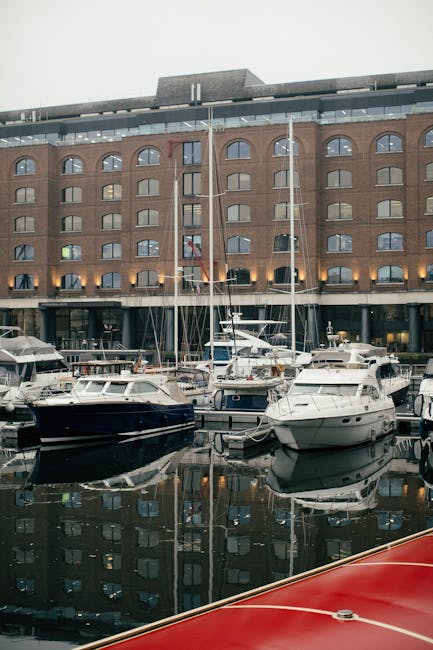
St Katharine Docks is a distinctive part of central London. It has the charm of a waterside setting, but that charm comes with practical complications for removals. Access can be limited by building layouts, pedestrian traffic, service entrances, timed loading areas, and nearby congestion around Tower Hill and the riverside routes. If you ignore those details, you can end up with delays, extra carrying distance, or a van parked somewhere inconvenient while everyone stands around waiting. Nobody enjoys that.
For removals, the main issue is not just getting to the area. It is getting close enough to unload efficiently, safely, and without upsetting neighbours, building management, or local traffic flow. A move that would be easy in a suburban street may need a different playbook here. That is why people search specifically for St Katharine Docks removals access, parking, and best times rather than just a generic moving guide.
There is also a building-to-building reality. Some properties around the docks have lift access, some have awkward corridors, and some require goods-in coordination or prior notice. If you are moving items such as a sofa, wardrobe, fridge freezer, or piano, the route from van to room matters just as much as the vehicle itself. If you want a broader look at local support, the main removals in Tower Hill service page is a useful starting point.
And let's face it: the best move is the one that feels uneventful on the day. No last-minute hunting for space. No awkward backtracking. No surprise "we can't stop there" moment. A bit of planning turns all that into a much smoother experience.
How St Katharine Docks Removals: Access, Parking & Best Times Works
The practical process usually starts before moving day. First, the route needs checking. Not every van can simply pull up outside every building, especially in a busy central London location. You want to think about where the vehicle can wait, where it can safely load or unload, and whether there are any time-based restrictions that could affect the plan.
Next comes building access. For apartments and offices near the docks, this might mean confirming lift dimensions, entrance width, opening hours, keypad or concierge arrangements, and whether any booking is needed for loading bays. If your items are bulky, the moving team should know in advance so they can choose the right vehicle and equipment. A narrow hallway is not the time to discover a mattress barely clears the corner.
Parking and stopping arrangements are usually the most sensitive part. In central London, you may need to think in terms of short loading stops rather than full-day parking. The exact arrangement depends on the street, the building, and local restrictions. Because of that, the safest approach is to plan for the van to be present only as long as needed and to keep unloading organised. For the vehicle side of the job, many people find a dedicated man with a van in Tower Hill service a practical fit for smaller or medium-sized moves.
Timing is the final piece. Early morning often works well because roads are quieter, lifts are less busy, and residents or office staff are less likely to be moving around the building. Midday can be busier. Late afternoon can become unpredictable because of traffic build-up and the usual London shrug of "everyone wants to be somewhere else at once." If you can choose, pick a window that gives you breathing room.
Key Benefits and Practical Advantages
When the access, parking, and timing are properly handled, the benefits are immediate and very real.
- Less waiting time: The team can unload without circling the block or standing by a locked entrance.
- Lower risk of damage: Shorter carrying distances and clearer access reduce knocks, scrapes, and strain.
- Better scheduling: You can coordinate lift bookings, key handovers, and parking windows more easily.
- Less stress for neighbours and building staff: A tidy, well-timed move is simply easier on everyone.
- More accurate quotes and planning: When access is clear, the removal company can estimate time and labour with greater confidence.
There is also a less obvious benefit: it helps you make better decisions about what kind of service you actually need. A quick flat move with one van and a few strong hands is one thing. A larger relocation involving furniture, appliances, and storage might be better handled through a fuller removal services package, especially if access is a bit fiddly.
If you are moving a lot of furniture, it can also be worth looking at a dedicated furniture removals service. That is especially useful where items are awkward, heavy, or likely to need careful wrapping on site. The point is not to overbuy. The point is to match the service to the real conditions on the ground.
Expert summary: At St Katharine Docks, the move goes best when access is confirmed early, parking is treated as a short-loading problem rather than an open-ended one, and the timing is chosen to avoid peak pressure around the building and surrounding roads.
Who This Is For and When It Makes Sense
This kind of planning matters to more people than you might think. It is not just for large households or office relocations. In fact, smaller moves can be harder in busy central areas because they are more likely to be squeezed into tight time slots with less margin for error.
You will benefit from this approach if you are:
- moving into or out of a flat near the docks
- relocating a short distance within Tower Hill or the City fringe
- moving office equipment or small business stock
- handling a same-day or short-notice move
- transporting bulky items such as beds, sofas, or appliances
- trying to avoid parking headaches on a weekday morning
It also makes sense if you have building rules to work around. Some apartments are very straightforward. Others are not. Truth be told, a polite phone call in advance can save a whole lot of walking, waiting, and apologising on the day.
For students, smaller flats, or single-room moves, the right option may be a lighter service such as student removals in Tower Hill or a flexible man and van Tower Hill option. If you need something fast, a same-day removals service can also help when plans change at the last minute. Not ideal, obviously, but sometimes life happens.
Step-by-Step Guidance
- Check the building rules first. Ask about access times, lift use, loading bays, concierge procedures, and any need to reserve the goods lift or service entrance.
- Walk the route in your head. Picture the journey from van to front door or reception. Are there steps, security doors, long corridors, or awkward turns?
- Measure the big items. Sofas, wardrobes, mattresses, and appliances need special attention. If something is borderline, plan around it before moving day.
- Choose the right vehicle. A small van may be enough for a studio flat; a larger load may need a more capable removal van in Tower Hill.
- Book your time window carefully. Early slots are often easiest near busy central London locations. Build in a buffer if your building has shared lifts or concierge checks.
- Prepare the items for fast loading. Disassemble furniture where appropriate, bag screws, protect fragile items, and keep boxes clearly labelled.
- Confirm parking and contact details. Make sure the driver has the right entrance instructions, mobile number, and any building reference needed to find the right spot.
- Unload in priority order. Put essential items and large furniture in first, then work through boxes. That saves re-handling later.
If you want to reduce chaos before the move even starts, a thorough declutter plan is one of the best things you can do. Less stuff means less time on site, and fewer decisions when the van is waiting. A proper packing plan for a safe move also helps keep fragile or heavy items under control.
Expert Tips for Better Results
Over time, a few practical habits make a clear difference in a busy London area like this.
1. Aim for an early start where possible. Morning slots tend to be calmer. You are less likely to be competing with office traffic, visitors, or late check-outs. Even half an hour can matter.
2. Keep one person "on doors." Someone should stay available to manage the entrance, lift, or concierge desk while the rest of the move happens. It sounds small, but it stops the stop-start shuffle that eats time.
3. Protect items before they leave the building. That includes corner guards, blankets, mattress covers, and wrapping for wood or glass. A smartly wrapped item always moves faster because everyone can handle it with more confidence.
4. Be realistic about heavy lifting. If something feels too heavy for one person, it probably is. A little pride is not worth a twisted back. If you want to better understand safe handling, the article on kinetic lifting gives a practical sense of why technique matters. For heavier one-off items, these heavy lifting tips can also be helpful.
5. Use the move as a chance to reduce clutter. Rooms near the docks can be compact, especially flats with narrow storage spaces. Fewer items means easier access, faster unloading, and a better final layout. It is quite satisfying, actually, once the boxes are gone and the place starts to breathe again.
If you are moving specialist items, choose specialist advice. For example, a piano removals service is the safer choice for instruments, and the same logic applies to delicate appliances. For a fridge or freezer, read the guidance on installing a fridge freezer so it can be positioned and settled correctly after transit.
Common Mistakes to Avoid
Most removal problems in this area come from a handful of avoidable mistakes. None of them are dramatic on their own, but together they can throw the whole day off.
- Assuming parking will be easy: In central London, "there's probably space" is not a plan.
- Not checking lift access: A lift that looks fine at first glance may still be too small for your largest items.
- Booking too tight a window: If you leave no buffer, one delay can affect the whole schedule.
- Leaving packaging until the last minute: That is how damage happens, especially with glass or electronics.
- Ignoring building communication: Residents, concierge teams, or office managers need notice if a move will affect shared areas.
- Underestimating the weight of awkward items: Beds, fridges, and wardrobes often need more planning than expected.
Another common one: forgetting about the end of the move. If you are vacating a property, don't leave cleaning until the van is already full and ready to go. A quick read of move-out cleaning tips can save you an annoying final scramble.
And if you are taking a sofa with you, it is worth treating it properly. The advice in sofa care and protection guidance is useful because a sofa can look sturdy and still pick up damage surprisingly easily at stair corners or lift thresholds. Ask anyone who has had to turn a settee on its side in a narrow corridor. Not elegant.
Tools, Resources and Recommendations
You do not need a mountain of kit to move well. But the right few tools can make a huge difference.
- Furniture blankets: Good for protecting frames, tabletops, and polished surfaces.
- Trolley or sack truck: Very useful for boxes, white goods, and heavier items where access allows.
- Straps and tape: Helpful for securing doors, drawers, and cable bundles.
- Labels and markers: Keep rooms and contents clear so unloading is faster.
- Mattress bags and stretch wrap: Worth having for hygiene and protection.
- Floor protection: Useful if your route runs through shared hallways or newly finished floors.
For packing supplies, the packing and boxes service is handy if you want sturdier materials without hunting around central London on your own. If you need somewhere to hold items between properties, storage in Tower Hill can be a sensible bridge, especially if access dates do not line up neatly.
If you are weighing up service types, the broader services overview page helps you compare what is available. It is often useful to see the whole picture before deciding whether you need a full house move, a flat move, a man and van, or a more tailored approach.
Law, Compliance, Standards, or Best Practice
For removals in central London, the main compliance issue is usually practical rather than legal in the dramatic sense. You need to respect parking restrictions, loading rules, private building procedures, access times, and safety expectations. Those may be set by the local authority, a building manager, a concierge team, or a combination of all three. The details can change, so it is always wiser to check locally rather than rely on memory from a previous move.
Good practice also means safe handling. Removal teams should use appropriate lifting methods, protect floors and walls where needed, and avoid leaving access routes blocked any longer than necessary. If a move involves stairs, heavy items, or awkward geometry, careful team coordination matters more than speed. Fast is useful. Safe is non-negotiable.
For customers, there are a few sensible checks worth making before booking:
- Does the company explain how access and parking will be handled?
- Can they accommodate building constraints and timing windows?
- Are insurance and safety arrangements clearly outlined?
- Do they provide transparent terms and pricing guidance?
That last point is easy to overlook in a rush. If you want to understand that side properly, the site's insurance and safety page and pricing and quotes page are worth reviewing before you commit. It is the kind of homework that pays off later, quietly but nicely.
For readers who like to check the company background as well, the about us page offers a straightforward way to understand who is handling the job. Small detail, maybe. But trust is built from small details.
Options, Methods, or Comparison Table
Different moves around St Katharine Docks call for different approaches. Here is a simple comparison to help you choose the right fit.
| Method | Best for | Strengths | Watch-outs |
|---|---|---|---|
| Man and van | Studios, one-bed flats, small furniture loads | Flexible, efficient, usually easier to fit around access constraints | May be less suitable for larger household moves or complex access needs |
| Full removal team | Full flats, houses, or business relocations | More hands, better handling of bulky items, smoother for layered moves | Needs a clearer plan and more coordination |
| Same-day service | Urgent moves, short notice changes | Fast response and practical problem-solving | Less time to plan access or parking, so details matter even more |
| Specialist item removal | Pianos, large appliances, fragile or oversized furniture | Better protection and safer handling | Usually requires advance notice and accurate measurements |
If your move is straightforward and you just need a reliable vehicle plus careful loading, a removal company in Tower Hill can advise on the right format. If it is a simple local shift, house removals or flat removals may fit better. The trick is not choosing the biggest service. It is choosing the right one.
Case Study or Real-World Example
Picture a fairly typical scenario. A couple is moving from a two-bedroom flat near St Katharine Docks to another property a few streets away. The new place has lift access, but only during set hours. The old building has a shared entrance and a narrow hall leading to the street. There is no private driveway, and the nearest stopping point on a busy morning is not exactly generous.
They start by checking the building access rules and giving notice to both properties. They measure the sofa, mattress, and fridge freezer, then split the packing into clearly labelled boxes. The mover arrives early, before the morning rush settles in. One person handles access at the door while the rest of the team carries in the larger items in a planned order. The van is positioned for short loading only, so the route is kept clear and the move does not drift into the rest of the day.
The outcome is not glamorous. That is the whole point. No drama, no surprise delays, no frantic lifting in a corridor. Just a steady move, done properly, with enough care that the only thing left to worry about is where the kettle has ended up.
For moving awkward furniture in a similar setup, the guidance on moving beds and mattresses can be useful, especially if you are dealing with stair turns or tight lift dimensions. It is often the oddly shaped items that decide how relaxed the day feels.
Practical Checklist
Use this checklist a day or two before the move. It keeps things simple.
- Confirm building access times and entrance instructions
- Check parking or stopping arrangements near the property
- Measure large furniture, appliances, and doorways
- Reserve any lift or goods-in slot if required
- Label boxes by room and priority
- Protect fragile, polished, or upholstered items
- Prepare keys, phone numbers, and contact details
- Separate essentials you will need first at the new property
- Tell neighbours, concierge staff, or office managers if needed
- Review whether storage is needed for anything not going straight in
Quick reminder: if you are unsure about space or timing, ask early. The earlier the question, the easier the answer. That applies to removals pretty much everywhere, but especially here.
Conclusion
St Katharine Docks removals are all about managing the real-world details: access, parking, timing, and the building rules around them. Get those right, and the rest of the move becomes far more manageable. Get them wrong, and even a small relocation can feel longer, heavier, and more stressful than it should.
The good news is that the solution is usually simple: check the route, prepare the items, choose the right service, and book a sensible time window. Do that, and you give yourself a cleaner, calmer move with fewer surprises. A bit of planning really does go a long way, especially in a busy waterside pocket of central London where space is at a premium and patience can be, well, in short supply.
If you are ready to make the move easier, review the local service options, compare the support you need, and line up the access details before moving day arrives. It is the kind of preparation that quietly saves you time, effort, and a fair bit of frustration.
Get a free quote today and see how much you can save.