Parking Suspensions, Bay Permits and Fines near Tower Bridge
Posted on 05/07/2026
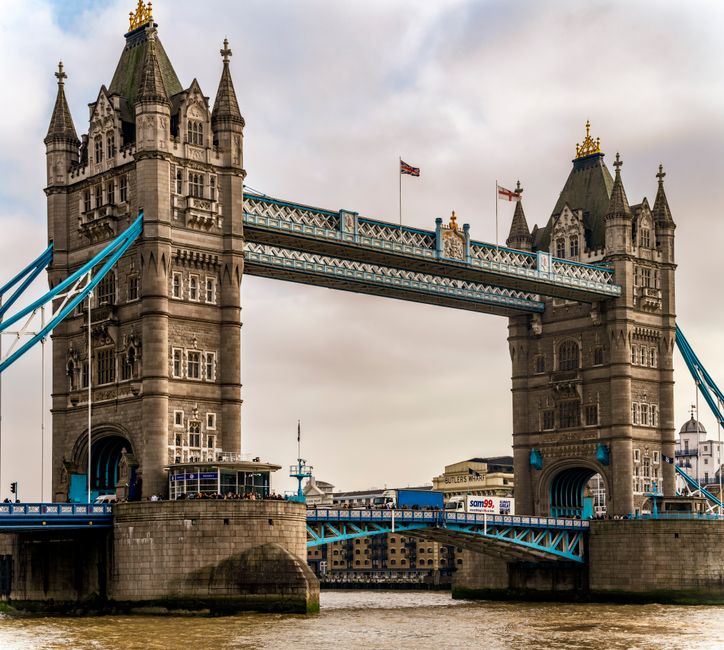
Parking Suspensions, Bay Permits and Fines near Tower Bridge: A Practical Guide for Smooth, Stress-Free Access
If you are planning a move, delivery, or any kind of vehicle access near Tower Bridge, parking can become the one thing that ruins an otherwise well-organised day. Parking Suspensions, Bay Permits and Fines near Tower Bridge are not just admin details; they shape whether a van can stop legally, whether loading stays on schedule, and whether your team ends up dealing with avoidable penalties. Near central London, the difference between a tidy plan and a messy one can be a few painted lines on the road. Honestly, that is all it takes.
This guide breaks down what parking suspensions and bay permits actually mean in the Tower Bridge area, why they matter so much for removals and deliveries, how fines happen, and what you can do to reduce risk. It is written for people who want clear answers, not vague city-centre advice that sounds useful but does not help on the day.
Why Parking Suspensions, Bay Permits and Fines near Tower Bridge Matters
Tower Bridge sits in one of the busiest, most tightly managed parts of London. Streets are narrow, footfall is high, and kerb space is often already spoken for. So if you are arranging a removal, office move, student move, or bulky delivery, parking is not a side issue. It is one of the main planning points.
A bay suspension can remove the very space you thought you had. A permit may be needed to use a resident bay, business bay, or loading space. And if a vehicle stops where it should not, the result may be a penalty charge notice, a delay, or in some cases a tow risk if the contravention is serious enough. That is the bit people only remember when they see the yellow envelope. Not ideal, obviously.
The stakes are higher near Tower Bridge because timing matters. A short loading window can be enough if everything is lined up. But if a suspension sign appears after the booking is made, or if a permit was not arranged for the correct bay type, the whole move can unravel fast. In our experience, these are the jobs that look straightforward on paper and then turn into a game of musical chairs on the pavement.
For readers planning a move in this part of London, it often helps to pair parking planning with broader move preparation. If you are still at the early stage, articles like prepare to move with a thorough declutter plan and how to create a packing plan that ensures a safe move can reduce the time your vehicle needs on street. Less time unloading usually means less parking pressure. Simple, but effective.
Expert summary: Near Tower Bridge, parking success is less about luck and more about preparation. If you check suspensions early, match the correct bay permit to the stop location, and build a sensible loading window, you cut the risk of fines and delays dramatically.
How Parking Suspensions, Bay Permits and Fines near Tower Bridge Works
Let's keep this plain English. A parking suspension is when a council temporarily removes parking rights from a bay or stretch of road. Usually, this is done to protect works, enable access, allow a removal, or manage traffic. A bay permit is permission to use a specific parking bay or loading space for a defined purpose, date, and time. Fines, meanwhile, are what can happen when the vehicle is parked or waiting in a way that does not match the rules on the signs or the permit conditions.
Near Tower Bridge, the practical process usually looks like this:
- Identify the exact street or bay you want to use.
- Check whether that bay is suspended on your planned date.
- Confirm whether the space is resident-only, shared-use, pay-and-display, loading-only, or restricted in another way.
- Arrange the right permit or authorisation if required.
- Brief the driver so the vehicle stops only within the approved time and location.
The key thing is that these steps are location-specific. A permit for one street does not magically cover the next street over. That sounds obvious, but it is a common trip-up because the area around Tower Bridge can feel visually similar even when the rules are not.
Another point worth saying: parking control signs are what matter, not assumptions. If a bay looks empty, that does not mean it is available. If a space is marked for loading only, that does not mean you can stay there for an hour while the heavy sofa gets negotiated down a staircase. The street is not going to make an exception because the job is awkward.
For removals, the consequences of getting it wrong are usually more than just a ticket. A fine can slow the team down, but the bigger problem is the knock-on effect: extra carrying distance, more time exposed to traffic, tired staff, and frustrated residents. If you want a better sense of how access issues affect removals in the area, St Katharine Docks removals access and best times is a useful read because it highlights the timing side of local vehicle access.
Key Benefits and Practical Advantages
Sorting parking properly may not feel glamorous, but it pays off in very concrete ways.
- Fewer fines: The obvious one. A correct permit and a checked suspension reduce the chance of penalty charges.
- Faster loading: If the van can stop close to the entrance, the whole job tends to run more smoothly.
- Less physical strain: Shorter carrying distance means less fatigue and lower risk when moving heavier items.
- Better customer experience: No one enjoys watching a move drift behind schedule because the driver had to find a second-best parking spot.
- Reduced stress: A lot of the tension in London removals comes from uncertainty. Good parking planning removes some of that pressure.
There is also a quieter benefit that people sometimes miss: local credibility. If you are dealing with neighbours, building managers, or concierge teams, a well-planned vehicle stop shows that the move has been thought through. That usually makes conversations easier. A small thing, but it helps.
If the job includes bulky furniture, the parking plan matters even more. A large wardrobe or sofa carried from a distant parking spot becomes a very different challenge. You can read more about awkward access and stairwell issues in large furniture in Tower Hill flats and stairwell solutions. That topic and parking really do go hand in hand.
Who This Is For and When It Makes Sense
This topic matters to more people than you might expect. It is not just for removal companies. If a vehicle needs to stop near Tower Bridge, parking rules suddenly become everybody's problem.
- Home movers moving into or out of flats, maisonettes, or townhouses near the bridge.
- Students moving with limited time and a small van but no room for parking mistakes.
- Office teams moving equipment, files, or desks where timed access is essential.
- Retail and hospitality businesses receiving stock or shifting items during constrained delivery windows.
- Anyone with awkward or bulky items that need a nearby stop, such as beds, pianos, appliances, or furniture.
It makes sense whenever the move involves one or more of these conditions:
- the street is narrow or heavily trafficked
- parking is controlled or limited
- the load is heavy or fragile
- the access point is far from the nearest legal stopping place
- there is a real chance of needing to wait, unload, then move the vehicle on quickly
If that sounds familiar, parking planning should be treated like part of the move itself, not something to sort out last minute while someone is already standing in the road with a trolley. That is how fines happen. Very ordinary, very avoidable fines.
It also makes sense for urgent jobs. If you are arranging a quick turnaround, a read through urgent same-day removals in Tower Hill and when to call can help you understand why vehicle access needs to be dealt with early, even when the rest of the job feels rushed.
Step-by-Step Guidance
Here is a practical way to manage parking suspensions, bay permits and fines near Tower Bridge without overcomplicating it.
1. Confirm the exact address and street
Do not plan around the general neighbourhood. You need the exact street, bay, and ideally the side of the road. In central London, the rule set can change quickly from one segment to the next.
2. Check for any suspension or temporary restriction
Look for anything that would remove access to your intended stopping point on the day. Even if the bay normally works for loading, a temporary suspension can override that. This is the point where many people get caught out. The sign changed, but no one noticed.
3. Decide whether you need a permit or authorisation
If the vehicle will use a resident bay, a shared bay, or another controlled space, find out whether permission is needed. The right permit should match the vehicle size, date, time, and purpose of the stop. If any of those are wrong, the permit may not protect you.
4. Build the loading plan around the parking window
Once you know the parking window, plan backwards. What time should the team arrive? How long will it take to carry items down? Which boxes or furniture pieces are going first? It is much easier to move within a confirmed parking slot than to improvise in the street.
5. Brief the driver and movers clearly
Everyone involved should know where to stop, how long the vehicle can stay, and what to do if the bay is occupied. A short briefing before arrival saves a lot of confusion. Quietly, it also saves you from having the same conversation three times, which nobody enjoys.
6. Keep proof handy
If you have authorisation, have it available in case a parking officer or enforcement team needs to see it. The practical aim is to avoid debate on the pavement. That is not where you want to be sorting paperwork at 8:15 on a wet Tuesday.
7. Have a fallback plan
Sometimes the space you booked is occupied, the street is blocked, or the timing slips. A fallback plan might mean an alternative bay nearby, an extra pair of hands, or a revised unload sequence. The best plans are not rigid. They are flexible enough to survive one unexpected setback.
Expert Tips for Better Results
These are the little things that make the biggest difference in the real world.
- Plan earlier than you think you need to. In busy London areas, parking and access are often the bottleneck, not the move itself.
- Keep the load tight and prioritised. If the van can unload the first essentials quickly, the stop becomes more efficient.
- Avoid assuming a bay is "good enough." If it is not clearly legal for your purpose, treat it as unsuitable.
- Use the shortest safe route from vehicle to door. Sometimes a different side street is better than the one that looks closest on the map.
- Coordinate building access and parking together. One without the other causes delay. The front door can be as much of a bottleneck as the kerb.
- Protect your timing buffer. London traffic, passers-by, and building access all have a habit of making optimistic schedules look silly.
A small but useful habit: take a quick photo of the bay sign and surrounding street layout when you arrive. It gives you a record of what was in place at the time, and it helps if someone later wonders whether the stop was in the right place. Nothing dramatic. Just tidy paperwork and fewer headaches.
For items that are especially awkward to handle, parking plans should be linked to item-specific packing and moving advice. That is where pieces like ensuring piano safety and why DIY moving is risky become relevant. The further a fragile or heavy item has to travel from van to property, the more complicated the job becomes.
Common Mistakes to Avoid
Most parking problems near Tower Bridge come from predictable mistakes, not bad luck.
- Leaving parking checks until the morning of the move. By then, you are already on the back foot.
- Assuming a resident bay is usable for loading. Loading rights are not always automatic.
- Ignoring temporary suspension signs. A normal bay can become unavailable for a short period without much fanfare.
- Using the wrong vehicle details on the permit. If the registration, size, or date is wrong, the permit may be ineffective.
- Blocking cycle lanes, crossings, or entrances. That is a fast route to trouble and generally not worth the risk.
- Planning too tight a schedule. If the move relies on everything going perfectly, it probably will not.
Another common one: people focus so hard on the parking space that they forget to prepare the home. Then the van arrives, the lift is busy, boxes are still taped badly, and everyone starts moving at once. Not fun. If you want to reduce that chaos, transform your house move into a stress-free journey is a good reminder that planning is about more than just the road outside.
Tools, Resources and Recommendations
You do not need a huge toolkit, but you do need the right information and a few practical habits.
- Street-level notes: Write down the exact bay, road name, and timing details as soon as you confirm them.
- Printed or saved permit information: Keep proof close by rather than buried in an email thread.
- A move-day schedule: A simple timeline helps the driver, the loaders, and the building contact stay aligned.
- Measuring tape: Useful if you are checking whether a van can stop and whether a large item can be carried out safely.
- Protective packing materials: Better packing means less standing around in the parking bay while someone tries to rescue a fragile item with no room to move.
It can also help to organise your items by move priority. For example, appliances, beds, and sofas often need the most careful sequencing because they take time and space. If you are packing those, installing a fridge freezer and moving a bed and mattress more easily can help you plan those items with a little more confidence.
When in doubt, keep the process simple. The best parking systems are often the boring ones: clear notes, clean timing, one person responsible for checks, and no surprise assumptions. Boring is underrated. Really.
Law, Compliance, Standards, or Best Practice
Parking suspensions, bay permits and fines sit inside a wider framework of local parking control and road use rules. The exact requirements can vary by location and by the type of bay or restriction in place, so it is wise to treat any stop near Tower Bridge as a controlled activity rather than an informal one.
From a best-practice point of view, there are a few clear principles:
- Use the correct space for the correct purpose. Loading does not always equal parking.
- Match the permit to the vehicle and timing. Small errors can make the permission ineffective.
- Respect temporary restrictions. Suspensions generally override normal use.
- Keep access routes clear. Pedestrians, cyclists, and emergency access all matter.
- Document your plan. Good records help everyone understand what was arranged and why.
If your move involves a busy building, shared access, or a lot of furniture, compliance also means doing the safe thing physically, not just the legal thing on paper. That includes sensible lifting, sensible parking distances, and not trying to squeeze a van into a stop that makes unloading unsafe. You can read more about practical lifting awareness in the science behind kinetic lifting, which fits nicely with the parking side of a move.
Truth be told, the simplest way to stay on the right side of the rules is to behave as if every stop is being checked. If that sounds strict, well, central London is a strict place. Better to be prepared than sorry.
Options, Methods, or Comparison Table
Here is a straightforward comparison of the common approaches people use near Tower Bridge.
| Option | Best for | Strengths | Weaknesses |
|---|---|---|---|
| No permit, informal stop | Very short, low-risk stops where rules clearly allow loading | Quick and simple | High risk if signage is missed or the bay is restricted |
| Bay permit or authorisation | Planned moves, deliveries, and timed access | More control and better certainty | Needs correct details and advance planning |
| Suspension-managed stop | Jobs requiring temporary control of a space | Can provide the cleanest access where approved | Depends on timely setup and accurate dates |
| Alternative street or off-site parking | When the nearest space is unavailable | Flexible fallback | Longer carry distance, slower unloading |
If you ask which option is best, the honest answer is: the one that matches the street, the load, and the time available. For many removals, a permit-backed stop is worth the extra admin because it lowers uncertainty. But sometimes a short, carefully managed loading stop is all you need. Context matters. A lot.
Case Study or Real-World Example
Here is a realistic example based on the kinds of situations that come up near Tower Bridge.
A small flat move is booked for late morning. The property has a narrow entrance, a few awkward stairs, and one larger item: a sofa that definitely does not love tight corners. The first instinct is to stop in the nearest bay and get moving. But the street is partially suspended for nearby works, and the remaining space is resident-only at certain times.
Instead of taking a risk, the team checks the exact bay signage, confirms the permitted window, and adjusts the arrival time. The van stops closer to the property than first planned, which means the sofa move is shorter, cleaner, and safer. Boxes come out quickly, the loading point stays legal, and there is no drama with enforcement. Nobody is thrilled by the admin, but everyone is relieved when the day ends on time.
That sort of job happens more often than people think. The actual move is rarely the hardest part. It is the access. If the move also involves flat access challenges, moving out of the Trinity Square Gardens area with narrow streets offers useful context on how the local street pattern changes what is possible on the day.
And if the job needs to happen quickly, parking certainty becomes even more important. A same-day move can still go smoothly, but only if the vehicle plan is treated as a priority, not an afterthought.
Practical Checklist
Use this checklist before move day.
- Confirm the exact property address and nearest legal stopping point.
- Check whether the bay is suspended or temporarily restricted.
- Verify whether a permit or authorisation is needed.
- Match the permit details to the vehicle and date.
- Save proof in an easy-to-access place.
- Brief the driver on arrival time, loading duration, and fallback options.
- Plan the heaviest items first so the stop is used efficiently.
- Keep entrances, footways, and access routes clear.
- Allow a buffer for traffic, building access, and slow loading.
- Have one person responsible for parking checks on the day.
If you are still pulling the rest of the move together, it may also help to think about storage, packing materials, and waste removal at the same time. A lot of avoidable parking pressure comes from too many loose ends on the day. If you need help with the wider move, services overview and packing and boxes near Tower Hill are sensible starting points for planning the practical side.
Get a free quote today and see how much you can save.
Conclusion
Parking Suspensions, Bay Permits and Fines near Tower Bridge are really about one thing: keeping the move legal, efficient, and under control in a busy part of London. If you get the parking right, the rest of the job usually feels calmer. If you get it wrong, even a simple move can become slow, expensive, and frankly exhausting.
The best approach is to treat parking as part of the moving plan from the beginning. Check the street, verify the bay, match the permit, brief the driver, and leave a little room for the city to behave like a city. That is the honest version. No magic. Just good planning.
And if there is one takeaway worth keeping, it is this: near Tower Bridge, a few minutes spent checking parking can save you a lot more than a few minutes later. Sometimes a lot more. A calm move is still possible, even in the busiest streets, and that is worth aiming for.